Indian Food Photography: Capturing Vibrant Curries and Spices
July 11, 2026 · 7 min read
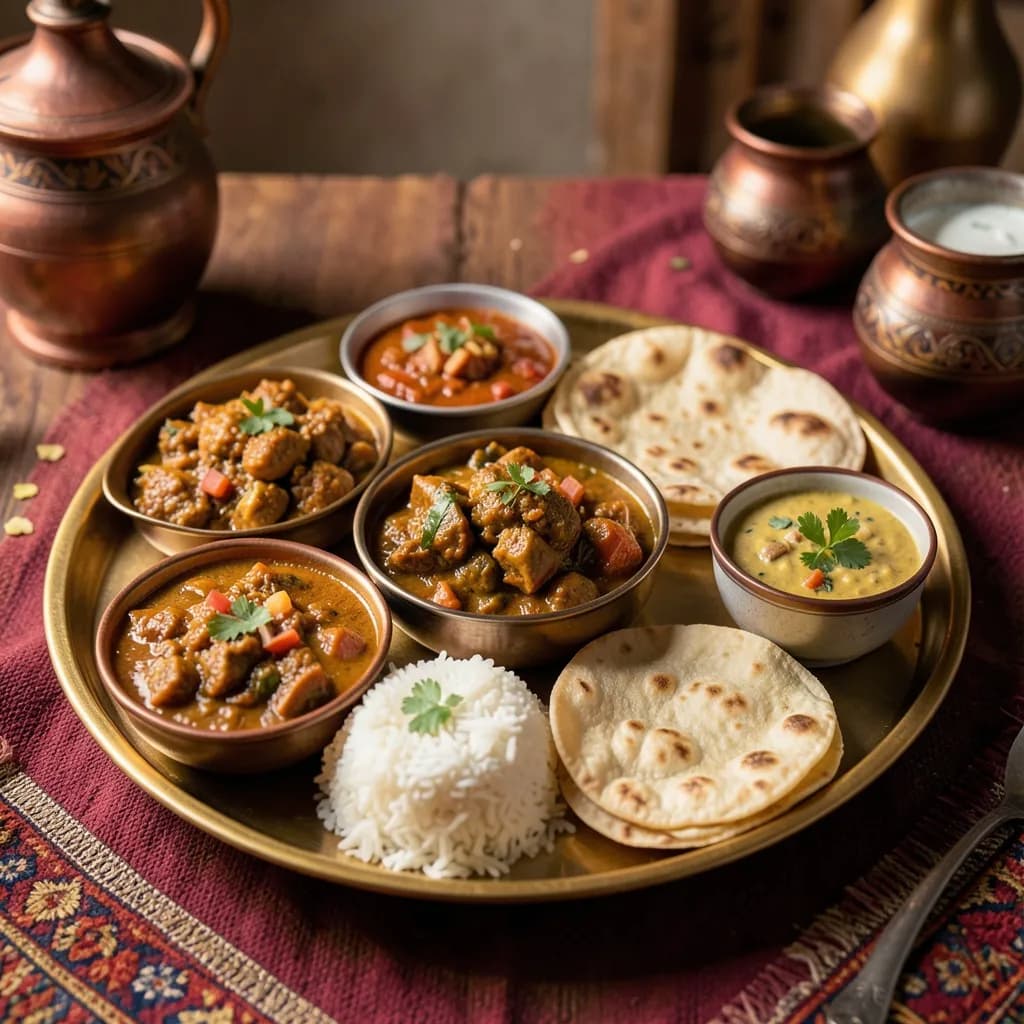
Indian food photography is a feast of color, texture, and abundance. From the deep oranges of butter chicken to the vivid greens of palak paneer — explore more in our curry photography guide, Indian cuisine offers some of the most visually rich subjects in food photography. But those same qualities — multiple dishes, rich sauces, and complex plating — make it uniquely challenging to photograph well.
Why Indian Food Is Both Beautiful and Difficult to Photograph
Indian dishes are often monochromatic within a single bowl — a curry is one shade of orange or brown. The magic happens when you compose multiple dishes together. A thali with 6-8 small bowls creates a stunning color palette, but requires careful arrangement and consistent lighting across the entire spread.
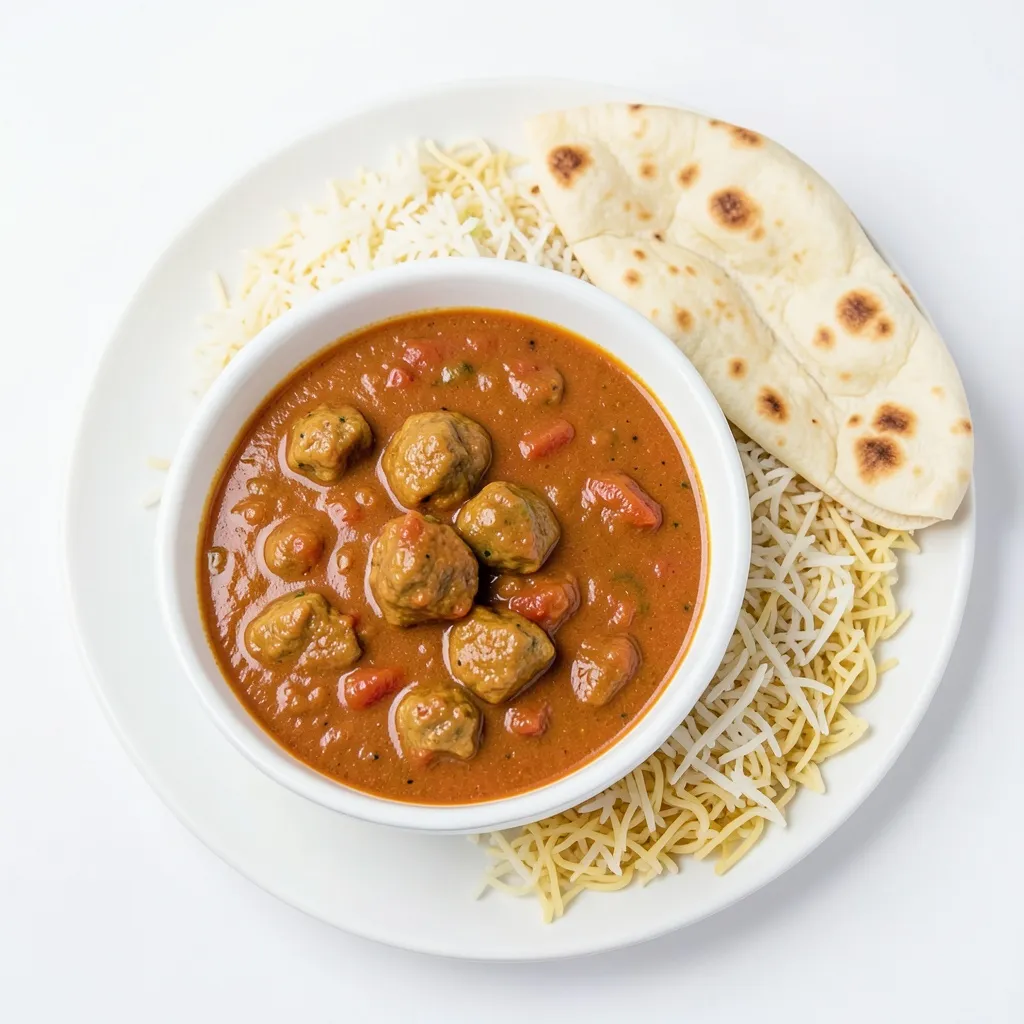
The other challenge: Indian food doesn't hold its shape like a burger or sushi roll. Curries, dals, and gravies are amorphous. Styling requires garnishes, strategic sauce placement, and the right serving vessels to create visual structure.
Lighting for Indian Food
Warm lighting complements Indian cuisine's color palette. Natural light from a window, slightly warm in color temperature, brings out the golden hues in turmeric-based dishes and the rich reds of tandoori preparations. Avoid cool/blue lighting — it makes curries look unappetizing.
Backlight or sidelight works best. Light from behind the dish catches steam rising from hot curries and creates a luminous quality in translucent sauces. This is particularly effective for dal, rasam, and soup-based dishes.
Styling Indian Food for Photos
- Garnish generously: Fresh cilantro, a drizzle of cream, a sprinkle of chili flakes, or a wedge of lime transforms a flat-looking curry into a vibrant photo subject
- Use traditional vessels: Copper bowls, brass plates, and clay pots add authenticity and visual warmth
- Scatter spices: Whole spices (cardamom, star anise, cinnamon sticks) around the dish create context and texture
- Add naan or rice: A torn piece of naan or a mound of basmati rice gives scale and makes the image feel like a complete meal
- Show the spread: Indian food shines in abundance. Multiple small bowls arranged together tell a richer story than a single dish
Best Angles for Indian Food Photography
Overhead (flat lay) is the go-to angle for thalis and multi-dish spreads. It captures the color composition and arrangement beautifully. For individual dishes like biryani or tandoori chicken, a 45° angle shows depth and texture. For naan and flatbreads, shoot at a low angle to capture the char marks and layers.
Photographing Specific Indian Dishes
Curries and Gravies
The biggest challenge is making brown/orange liquid look appetizing. Always add a fresh garnish on top — a swirl of cream, fresh herbs, or a tempering of mustard seeds in oil. Shoot while the curry is still hot to
Tandoori Dishes
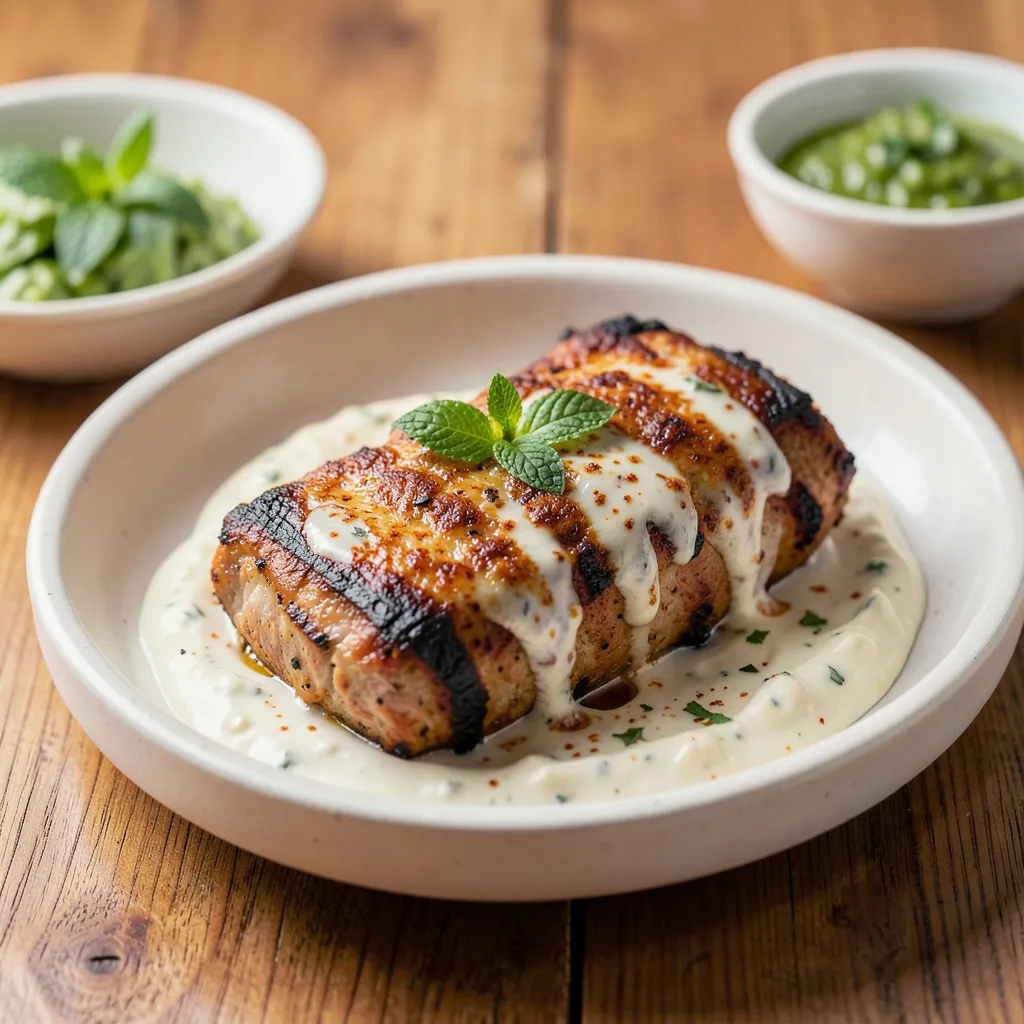
Tandoori chicken, kebabs, and tikka are naturally photogenic thanks to their char marks and vibrant red-orange color. Shoot close to capture the texture of the charred exterior. A squeeze of lemon and a few mint leaves complete the styling.
Biryani
Biryani is best photographed in the pot (handi) for authenticity, or plated with the layers visible. Use saffron strands and fried onions as garnish. The overhead angle captures the rice landscape beautifully.
Street Food
Samosas, chaat, pani puri, and dosas are dynamic subjects. Capture the action — breaking a samosa open, pouring chutney over chaat, or spreading batter on a dosa griddle. Action shots bring Indian street food to life.
AI Tools for Indian Restaurant Photography
For Indian restaurants that update their menu frequently, AI food photography is a game-changer. Snap a photo of today's special during prep, upload to AI FoodShot, and have a professional image ready before lunch service. This is especially valuable for restaurants that serve different curries daily or run seasonal thali specials.
FAQ
How do you photograph Indian food to make it look appetizing?+
What props work best for Indian food photography?+
Ready to transform your food photos?
3 free photos, no credit card required. Professional results in seconds.
Try AI FoodShot Free →