Ramen Photoshoot: Capture Steam, Noodles, and Broth Perfectly
July 12, 2026 · 7 min read
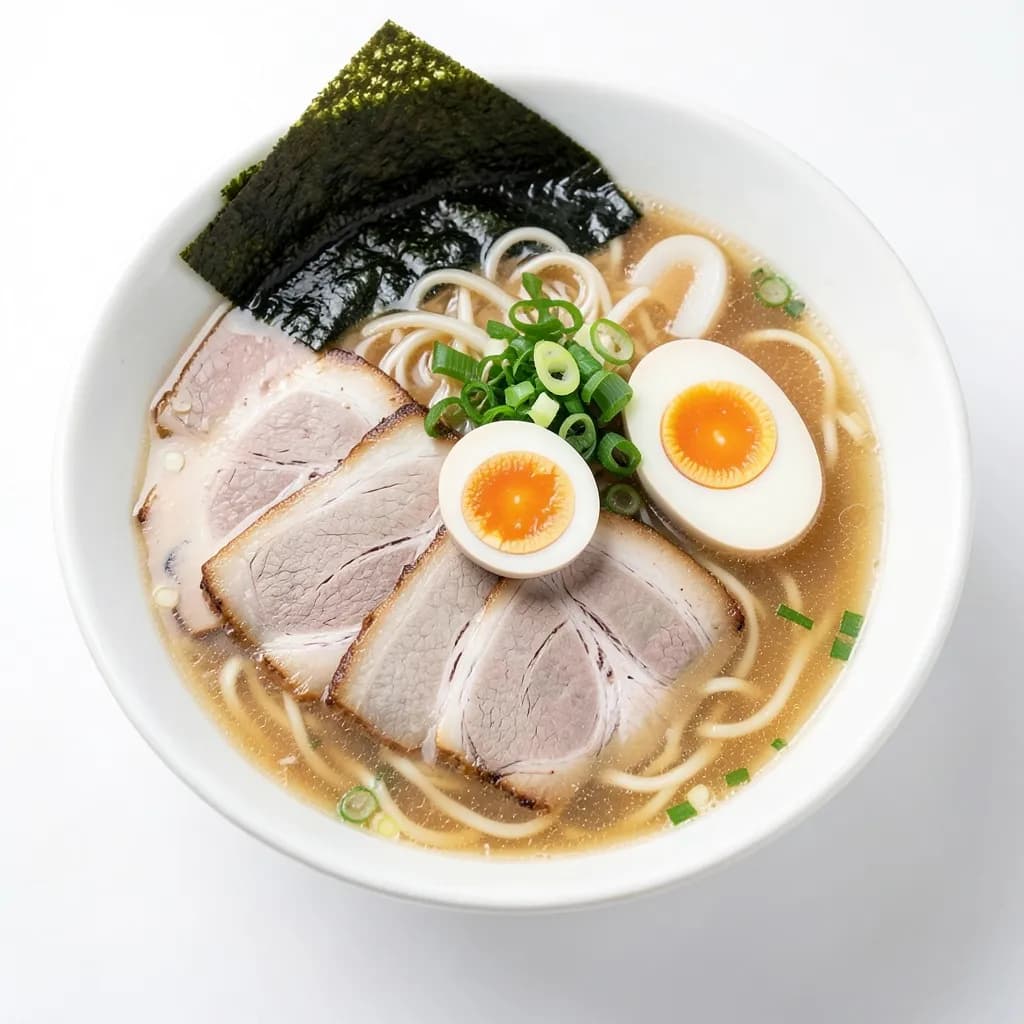
Ramen is one of the most dramatic foods to photograph. The rising steam, the noodle lift, the glistening broth, the carefully arranged toppings — a great ramen photoshoot tells a story of warmth and craftsmanship. Here's how to capture it all. For menu-specific tips, see our ramen food photography guide.
The Classic Ramen Noodle Lift Shot
The noodle lift is the money shot (see also: noodle photography tips) of ramen photography. Use chopsticks to pull noodles 6-8 inches above the bowl, creating an arc that connects the noodles to the broth. Shoot at eye level or slightly below to make the lift feel dramatic. Use a fast shutter speed (1/250 or faster) to freeze the motion and keep noodles sharp.
Pro tip: have an assistant hold the chopsticks while you operate the camera. Timing is critical — the noodles start falling back immediately.
Capturing Steam in Ramen Photos
Steam is what makes ramen photos feel hot and inviting. To make steam visible, you need backlight — light coming from behind the bowl. Without backlight, steam is invisible to the camera even when your eyes can see it. A dark background behind the bowl helps steam stand out even more.
If the ramen has cooled and steam has stopped, hold a cup of boiling water just outside the frame to add steam back into the shot. Work quickly — the illusion only lasts a few seconds.
Composing a Ramen Bowl Photo
In a ramen photoshoot, bowls are best shot from two angles:
- 45° angle: Shows the toppings, broth depth, and bowl rim. The most natural dining perspective.
- Slightly overhead (60-70°): Captures the full arrangement of toppings — chashu, egg, nori, green onions, corn. Best for showing the artistry of the bowl.
Avoid direct overhead for ramen — it flattens the broth and loses the sense of depth that makes ramen photography compelling.
Styling Ramen Toppings for Photos
Arrange toppings in sections rather than scattered randomly. The classic layout: chashu on one side, halved egg (yolk facing camera), nori standing upright, green onions in a neat pile, and any other toppings arranged to fill gaps. This organized approach creates visual harmony and lets each element shine.
The soft-boiled egg is your star. Cut it cleanly with a sharp knife (dip in hot water first), and position it with the jammy yolk facing the camera. That golden yolk is often the focal point of the entire image.
Broth Photography
Getting broth right is essential for any ramen photoshoot. Rich broth should look thick and glossy. If the broth has a fat layer, don't skim it — that sheen catches light beautifully. Tonkotsu (pork bone) broth photographs best because of its creamy, opaque quality. Clear broths like shio or chintan need toppings and garnishes to create visual interest since the broth itself is less photogenic.
AI Enhancement for Your Ramen Photoshoot
Ramen restaurants often serve 10+ varieties. Photographing each bowl professionally is time-consuming, especially since ramen must be shot fresh and hot. AI FoodShot lets you turn a quick ramen photoshoot phone snap into a polished menu image — perfect for Japanese restaurants that need consistent imagery across their full ramen lineup.
FAQ
How do you photograph ramen steam?+
What is the best angle for ramen photography?+
Ready to transform your food photos?
3 free photos, no credit card required. Professional results in seconds.
Try AI FoodShot Free →